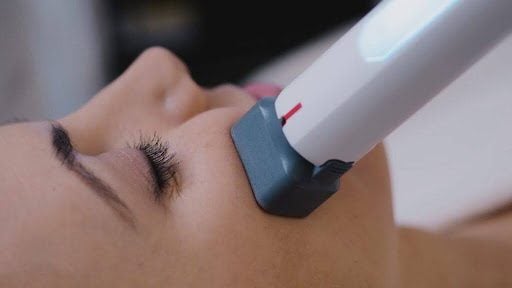
Living in Phoenix has its perks. Beautiful weather, mountain views, and plenty of sunshine. Unfortunately, all that Arizona sun can leave its mark on your skin. Maybe you've noticed brown spots that weren't there a few years ago. Fine lines are becoming more noticeable, your skin doesn't feel quite as smooth, or old acne scars …
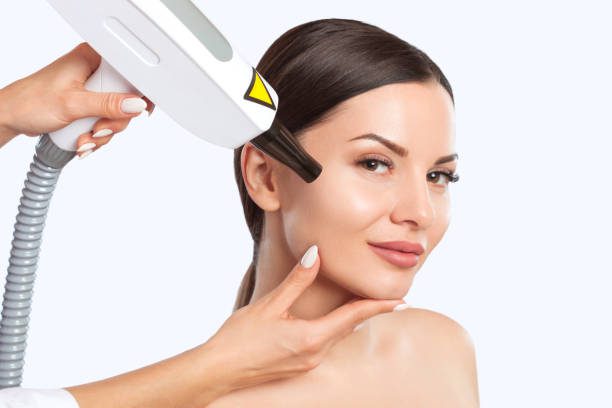
Living in Phoenix has its perks. Beautiful weather, mountain views, and plenty of sunshine. Unfortunately, all that Arizona sun can leave its mark on your skin.
Maybe you’ve noticed brown spots that weren’t there a few years ago. Fine lines are becoming more noticeable, your skin doesn’t feel quite as smooth, or old acne scars seem more pronounced than they used to.
You’ve tried serums, exfoliants, and expensive skincare products, but you’re not seeing the improvements you’d hoped for.
That’s where laser skin resurfacing in Phoenix can make a difference.
The challenge? Not all lasers work the same way. Some gently improve discoloration and texture with minimal downtime, while others provide more intensive resurfacing for deeper wrinkles and scars.
At Reid MD Aesthetics in Ahwatukee, we offer advanced laser treatments designed to address different skin concerns, including LaseMD Ultra and Cynosure Lutronic eCO2 3D.
Understanding the differences can help you make a more informed decision about your skin.
What Is the Best Laser Skin Resurfacing Treatment?
The best laser skin resurfacing treatment depends on your skin concerns, skin type, and recovery preferences. LaseMD Ultra is generally suited for sun damage, uneven pigmentation, and mild texture concerns with minimal downtime. Fractional CO2 laser resurfacing, such as eCO2 3D, can provide more intensive treatment for deeper wrinkles, acne scars, and significant skin texture changes.
Neither treatment is universally better. The right choice depends on what you’re trying to improve and how much recovery you’re comfortable with.
How Does Laser Skin Resurfacing Work?
Laser resurfacing uses concentrated light energy to create controlled changes within the skin, encouraging renewal and collagen remodeling.
Collagen is one of the proteins responsible for keeping skin firm and structurally supported. As we age, collagen production naturally declines. Years of sun exposure can accelerate that process, contributing to wrinkles, uneven texture, and other visible signs of aging.
Laser treatments can help improve these concerns by targeting damaged tissue and stimulating the skin’s natural repair response.
However, the type of laser makes a significant difference in how the treatment works, what it addresses, and how long recovery takes.
Non-Ablative Laser Resurfacing
Non-ablative lasers deliver energy into the skin without intentionally removing its outer surface.
Rather than vaporizing the epidermis, these treatments create controlled microscopic areas of thermal injury that stimulate renewal while leaving much of the surrounding tissue intact.
This generally means less visible healing and a shorter recovery period than more aggressive ablative resurfacing.
At Reid MD Aesthetics, LaseMD Ultra laser resurfacing uses a 1927 nm fractional thulium laser to improve superficial pigmentation, sun damage, and skin texture.
It’s an appealing option for patients who want noticeable skin improvement without taking substantial time away from their normal routines.
Ablative Laser Resurfacing
Ablative lasers work more aggressively by removing microscopic portions of the skin’s surface while delivering heat into the underlying tissue.
This controlled injury stimulates collagen remodeling and the formation of new skin.
Because ablative resurfacing affects the outer skin barrier, recovery is typically more involved.
Reid MD Aesthetics offers eCO2 3D fractional CO2 laser resurfacing, an advanced fractional CO2 platform designed to address concerns ranging from mild texture irregularities to deeper wrinkles and acne scarring.
Its adjustable treatment settings allow physicians to tailor the intensity to the patient’s skin and goals.
LaseMD Ultra vs. eCO2 3D: Which Laser Is Better?
Both technologies can improve skin quality, but they serve different purposes.
LaseMD Ultra is generally better suited for superficial discoloration, mild texture concerns, and patients seeking less downtime.
eCO2 3D offers a broader range of resurfacing intensity, making it an option for patients with more significant wrinkles, scarring, and textural changes.
Laser Skin Resurfacing Comparison
| Feature | LaseMD Ultra | eCO2 3D |
| Laser technology | 1927 nm fractional thulium | Fractional CO2 |
| Treatment type | Non-ablative | Ablative |
| Best for | Sun damage, pigmentation, mild texture | Wrinkles, acne scars, deeper texture concerns |
| Treatment intensity | Mild to moderate, adjustable | Gentle to intensive, adjustable |
| Typical downtime | A few days of mild redness or flaking | Several days to multiple weeks, depending on intensity |
| Sessions | Often 3 or more | Sometimes 1, with additional sessions as needed |
| Collagen stimulation | Yes | Yes |
| Skin type considerations | Can be customized for a range of skin types | Requires careful selection, particularly for pigment-prone skin |
| Results | Gradual improvement across treatments | Can produce more substantial improvement for appropriate concerns |
| Maintenance | Periodic treatments may help | Individualized based on results and skin condition |
These are general comparisons. Recovery, treatment frequency, and results depend on the settings used and your individual skin characteristics.
One particularly useful feature of eCO2 3D is that it doesn’t have to be an aggressive treatment. Its customizable settings also allow for lighter resurfacing when a patient doesn’t need or want an intensive procedure.
Matching Your Skin Concern to the Right Laser Treatment
The most useful question isn’t necessarily, “Which laser is stronger?”
It’s, “Which laser addresses the problem I’m actually trying to fix?”
Different skin concerns develop at different depths, and choosing the wrong treatment intensity can mean unnecessary downtime without a corresponding improvement in results.
Sun Damage, Brown Spots, and Uneven Pigmentation
Often a good starting point: LaseMD Ultra
Phoenix residents know how difficult it can be to avoid sun exposure entirely.
Even with good sunscreen habits today, years of accumulated UV exposure can leave behind freckles, sun spots, and uneven pigmentation.
LaseMD Ultra is particularly useful for addressing superficial sun damage and certain benign pigmented lesions.
Its fractional technology creates microscopic treatment zones that encourage skin renewal, helping improve the appearance of discoloration and uneven tone over time.
Patients often choose this treatment when they want brighter, more even-looking skin without the extended recovery associated with deeper resurfacing.
However, not every brown spot should be treated cosmetically. Any new, changing, irregular, or suspicious pigmented lesion should be evaluated by a qualified medical professional before laser treatment.
Fine Lines and Early Signs of Aging
Often a good starting point: LaseMD Ultra or lighter eCO2 3D resurfacing
Fine lines tend to appear gradually, particularly around the eyes, mouth, and other areas where skin becomes thinner with age.
For early signs of aging, LaseMD Ultra can help improve superficial texture and encourage collagen remodeling.
A lighter eCO2 3D treatment may also be appropriate for patients who want more noticeable resurfacing.
The best option depends on whether the concern is primarily surface texture, etched lines, or skin laxity.
It’s worth distinguishing between wrinkles and loose skin. They often occur together, but they aren’t the same problem.
For patients whose primary concern is sagging or laxity rather than surface damage, non-surgical XERF skin tightening may be worth considering as part of a broader treatment plan.
Deep Wrinkles and More Pronounced Skin Aging
Often a better fit: eCO2 3D fractional CO2 resurfacing
Deeper wrinkles usually require more intensive treatment than superficial pigmentation or mild texture changes.
Fractional CO2 resurfacing can deliver controlled energy into deeper portions of the skin, stimulating collagen remodeling and improving the appearance of certain wrinkles.
This is where eCO2 3D may offer an advantage.
Its adjustable treatment settings allow physicians to address more substantial skin damage while tailoring the procedure to the patient’s tolerance and recovery needs.
Results develop gradually as the skin heals and collagen remodeling continues.
Deep wrinkles may improve significantly, but complete removal isn’t always realistic.
Acne Scars
Often a better fit: eCO2 3D
Acne scars are particularly frustrating because they can remain long after breakouts have stopped.
Some scars create shallow depressions, while others form deeper pits or uneven areas across the cheeks and temples.
Fractional CO2 laser resurfacing can improve certain atrophic acne scars by remodeling scarred tissue and stimulating new collagen formation.
However, acne scars aren’t all alike.
Rolling scars, boxcar scars, and ice pick scars respond differently to treatment. Some may require additional procedures, such as subcision or other scar-specific techniques, rather than laser resurfacing alone.
That’s why a proper scar assessment matters.
A treatment that works well for shallow texture changes may not adequately address deeply tethered scars.
Enlarged Pores and Rough Skin Texture
Possible options: LaseMD Ultra, Precision Peel, or deeper eCO2 3D
Enlarged pores and uneven texture can make skin look less smooth, even when you’re using good skincare products.
Laser resurfacing may improve the appearance of pores by encouraging skin renewal and collagen remodeling.
For mild roughness, LaseMD Ultra may provide sufficient improvement.
For more noticeable texture changes, eCO2 3D may be recommended at an appropriate intensity.
It’s important to keep expectations realistic. Lasers cannot permanently eliminate pores, and pore size is influenced by genetics, oil production, aging, and other factors.
The goal is smoother, healthier-looking skin, not poreless skin.
Surgical and Traumatic Scars
Potential option: eCO2 3D, depending on scar type
Fractional CO2 lasers can also improve the appearance of certain surgical and traumatic scars.
By stimulating collagen remodeling, resurfacing may help soften irregular texture and improve scar flexibility or appearance.
Results depend on the scar’s age, depth, thickness, location, and individual healing characteristics.
Raised or keloid-prone scars may require a different approach, and some scars benefit from combination treatments.
What About Melasma? Choosing a Laser Requires Extra Care
Melasma deserves its own discussion because it’s not the same as ordinary sun damage.
It often appears as patches of brown or gray-brown discoloration on the cheeks, forehead, upper lip, or other sun-exposed areas.
Unlike isolated sun spots, melasma is a chronic pigment condition influenced by factors including UV exposure, visible light, hormones, and heat.
This makes treatment more complicated.
Can Laser Resurfacing Make Melasma Worse?
Yes. Laser treatments can sometimes worsen melasma or trigger post-inflammatory hyperpigmentation, especially when excessive heat or aggressive settings are used.
For this reason, stronger resurfacing isn’t necessarily better.
Some patients may benefit from carefully selected non-ablative laser treatments, but lasers are not universally appropriate for melasma and should not automatically be considered first-line therapy.
Sun protection and appropriate topical treatments often form the foundation of care.
At Reid MD Aesthetics, LaseMD Ultra may be considered for selected patients as part of a personalized pigmentation treatment plan.
When appropriate, a series of approximately three treatments spaced four to six weeks apart may be recommended, with adjustments based on response and skin tolerance.
However, LaseMD Ultra should not be presented as an FDA-cleared treatment specifically for melasma, and improvement cannot be guaranteed.
For patients prone to pigmentation, conservative treatment planning is especially important.
Precision Peel vs. Deeper eCO2 3D Resurfacing
One advantage of the eCO2 3D platform is its ability to deliver different levels of resurfacing.
Not everyone needs an intensive CO2 laser procedure.
Some patients simply want smoother texture, a brighter appearance, or mild improvement in fine lines without substantial downtime.
That’s where Precision Peel comes in.
Precision Peel: A Gentler Approach to Skin Renewal
Precision Peel is a lighter resurfacing approach performed using the eCO2 3D platform.
It can be considered for concerns such as:
- Mild uneven texture.
- Fine lines.
- Enlarged-looking pores.
- Superficial sun damage.
- Overall skin refreshment.
Because treatment intensity is lower, recovery is generally shorter than with deeper CO2 resurfacing.
That said, Precision Peel is still an ablative laser treatment. Some redness, sensitivity, and surface healing should be expected.
Deeper eCO2 3D Resurfacing: More Intensive Correction
Patients with pronounced wrinkles, acne scars, or more significant texture irregularities may benefit from deeper fractional CO2 treatment.
This approach creates more substantial controlled injury to stimulate remodeling.
The tradeoff is additional recovery.
Depending on treatment intensity, patients may experience several days of visible peeling and redness, with residual pinkness lasting considerably longer.
How Does eCO2 3D Control Treatment Intensity?
The eCO2 3D platform uses interchangeable microbeam tips and adjustable settings to customize treatment.
Its Controlled Chaos™ Technology randomizes microbeam placement to help distribute energy consistently and reduce concentrated thermal buildup.
These features give the treating physician greater flexibility when planning resurfacing for different concerns.
However, no technology eliminates the possibility of burns, pigmentation changes, scarring, or prolonged healing. Appropriate settings and careful patient selection remain essential.
Laser Resurfacing Downtime: What Does Recovery Actually Look Like?
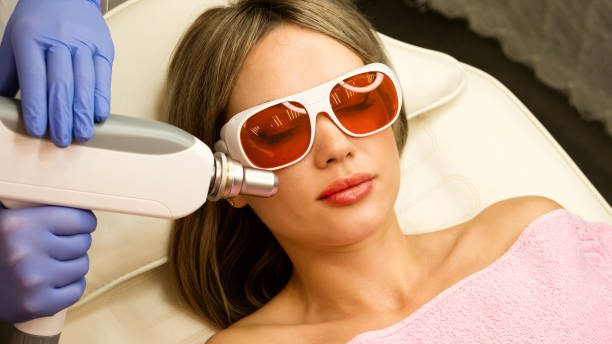
For many patients, recovery time is the deciding factor.
You may want to improve your skin, but you also have work, family commitments, social plans, and everyday responsibilities.
Knowing what to expect beforehand makes scheduling much easier.
LaseMD Ultra Recovery Timeline
LaseMD Ultra generally involves less visible downtime than fractional CO2 resurfacing.
Day 1: Your skin may look pink or mildly red and feel warm, similar to a light sunburn.
Days 2 to 3: You may notice dryness, roughness, or small areas of flaking as treated skin renews.
Days 4 to 7: Surface changes generally continue settling, although recovery varies with treatment intensity.
Some patients notice brighter-looking skin after their first session, while more significant improvement often develops across a treatment series.
Makeup can typically be resumed when permitted by your provider and when the skin barrier is sufficiently recovered. Schedule now.
eCO2 3D Recovery Timeline
Recovery after fractional CO2 resurfacing depends heavily on treatment depth, density, and the area treated.
Days 1 to 3: Redness, swelling, warmth, and sensitivity are common. More intensive treatments may produce pinpoint oozing or crusting.
Days 3 to 7: Peeling, flaking, and visible surface healing may occur. Gentle aftercare and appropriate barrier protection are essential.
Days 7 to 14: Many patients undergoing moderate or deeper resurfacing experience substantial surface healing during this period, although some need longer.
Following weeks to months: Residual redness or pinkness may persist, particularly after more intensive treatments. Collagen remodeling and visible improvement can continue for several months.
Lighter Precision Peel treatments may involve considerably less recovery.
Your physician should explain the expected downtime for your specific procedure rather than giving you a generic recovery estimate.
When Will You See Results?
LaseMD Ultra often produces gradual improvements in tone and texture across multiple sessions.
Fractional CO2 resurfacing can produce more substantial changes after a single treatment, but final results take time.
The skin must heal, and collagen remodeling continues after the initial recovery period.
For deeper wrinkles and scars, improvements may become more apparent over the following three to six months.
Neither treatment stops the aging process or prevents future sun damage.
How Many Laser Resurfacing Treatments Will You Need?
Treatment frequency depends on the condition being treated and the intensity of the procedure.
For LaseMD Ultra, a series of three or more treatments spaced approximately four to six weeks apart is commonly recommended for concerns such as uneven tone and mild texture changes.
Some patients benefit from periodic maintenance sessions.
With deeper eCO2 3D resurfacing, one treatment may produce meaningful improvement for appropriate candidates.
Others may require staged procedures, particularly when treating more extensive acne scarring or pronounced texture irregularities.
It’s generally better to choose the treatment schedule based on your skin’s response than to assume everyone needs the same number of sessions.
Is Laser Resurfacing Safe for All Skin Types?
Laser resurfacing can be performed on a range of skin types, but safety depends on the device, settings, skin condition, and treating provider’s experience.
The Fitzpatrick skin type scale is often used to assess how skin responds to UV exposure and its tendency to burn or tan.
Patients with darker skin tones or a history of post-inflammatory hyperpigmentation may face a higher risk of pigment changes after certain laser treatments.
This is particularly relevant with aggressive ablative resurfacing.
LaseMD Ultra can be customized for different skin types, but non-ablative treatment doesn’t eliminate pigmentation risk.
Fractional CO2 resurfacing may also be appropriate for selected patients with darker skin, although more conservative settings or alternative treatments may be advisable.
The safest approach is an individualized assessment rather than assuming a particular laser is suitable for everyone.
Why Arizona’s Climate Matters for Laser Skin Resurfacing
Phoenix receives abundant sunshine throughout the year, which creates additional considerations for patients undergoing laser treatments.
UV exposure can contribute to pigmentation changes, accelerate skin aging, and interfere with healing.
Heat may also aggravate melasma in susceptible individuals.
If you spend weekends hiking South Mountain, golfing, cycling, or enjoying other outdoor activities around Ahwatukee, you’ll want to plan your treatment around those routines.
Can You Get Laser Resurfacing During the Summer in Phoenix?
Yes, laser resurfacing may be performed during the summer, but sun protection becomes especially important.
A lighter treatment such as LaseMD Ultra may be easier to accommodate during warmer months, provided you can follow the recommended aftercare.
Deeper CO2 resurfacing often requires a more substantial break from outdoor activities.
Many patients prefer scheduling intensive treatments during cooler months, when avoiding heat and direct sunlight may be easier.
However, the calendar alone doesn’t determine whether treatment is appropriate.
Your actual sun exposure, skin condition, and ability to follow aftercare instructions matter more.
Sun Protection Is Part of the Treatment
Protecting your skin after resurfacing isn’t optional.
Newly treated skin is particularly vulnerable to irritation and pigment changes.
Once your provider confirms that sunscreen can safely be applied, use a broad-spectrum SPF 30 or higher daily, reapplying as directed.
For patients with melasma or pigmentation concerns, tinted mineral sunscreen containing iron oxides may offer additional protection against visible light.
Wide-brimmed hats, shade, and avoiding peak sun exposure are also valuable.
During the earliest healing stage after deeper CO2 resurfacing, follow your physician’s specific instructions for physical sun avoidance and wound care rather than applying products to skin that hasn’t healed.
Preparing for Laser Skin Resurfacing: What to Do Before Your Appointment
Good preparation can help reduce irritation and avoid preventable complications.
Your physician will provide instructions based on your treatment, but common recommendations include:
- Avoid tanning and excessive sun exposure. Recently tanned or sunburned skin may increase the risk of complications.
- Discuss your skincare products. Retinoids, exfoliating acids, and other active ingredients may need to be paused before treatment.
- Share your medical history. Mention previous cold sores, abnormal scarring, pigment problems, and relevant medical conditions.
- Review your medications. Recent isotretinoin use and other medications should be discussed. Isotretinoin is not an automatic reason to postpone every fractional laser procedure, but timing requires individualized assessment.
- Plan your recovery. Schedule treatment when you can reasonably avoid strenuous activity, heat, and direct sunlight.
If you have a history of cold sores, your physician may prescribe preventive antiviral medication, particularly for resurfacing around the mouth.
Laser Resurfacing Aftercare: Protecting Your Results
Aftercare varies significantly between non-ablative and ablative treatments.
Following your specific instructions is one of the most important things you can do to support healing.
After LaseMD Ultra
Your provider may recommend:
- Gentle cleansing.
- A fragrance-free moisturizer.
- Avoiding harsh exfoliants and retinoids until cleared.
- Limiting sun and heat exposure.
- Using sunscreen when appropriate.
Temporary dryness or flaking is common. Avoid picking or aggressively exfoliating treated skin.
After eCO2 3D
More intensive resurfacing generally requires stricter care.
Your instructions may include:
- Cleansing with an approved method.
- Applying prescribed barrier ointments.
- Avoiding makeup until the skin has sufficiently healed.
- Avoiding pools, saunas, hot yoga, and strenuous workouts until cleared.
- Keeping treated skin protected from direct sunlight.
- Monitoring for signs of infection or abnormal healing.
Increasing pain, spreading redness, pus, fever, or unexpected worsening should be reported promptly.
The goal is to allow the skin to heal properly without introducing unnecessary irritation or infection risk.
Who Should Avoid or Postpone Laser Skin Resurfacing?
Not everyone is a good candidate for immediate treatment.
You may need to delay resurfacing or consider another approach if you have:
- An active skin infection or open wound in the treatment area.
- A current sunburn or recent significant tanning.
- Uncontrolled melasma or a history of significant pigment complications.
- Certain medical conditions affecting wound healing.
- A tendency toward abnormal scarring.
- Recent medication use that could affect treatment safety.
- Pregnancy, when elective cosmetic treatment is generally postponed.
Patients with a history of cold sores may still be candidates but often require preventive medication.
A consultation helps identify these factors before treatment begins.
It’s also important to recognize that laser resurfacing cannot correct every skin concern. Significant skin laxity, certain scar types, and deeper structural changes may respond better to other procedures or combination treatment plans.
Can You Combine Laser Resurfacing With Other Aesthetic Treatments?
Yes. For some patients, combining treatments can address different layers of skin aging more effectively than relying on one procedure.
For example, someone may have sun spots, fine lines, and mild skin laxity.
One treatment may improve pigmentation, while another addresses firmness.
At Reid MD Aesthetics, potential options include:
- LaseMD Ultra: For superficial pigmentation, sun damage, and texture.
- Precision Peel: For lighter fractional CO2 resurfacing and surface refinement.
- eCO2 3D: For deeper wrinkles, scars, and more substantial texture concerns.
- XERF Skin Tightening: For skin laxity and firmness without ablative resurfacing.
These treatments aren’t interchangeable, and combining them doesn’t necessarily mean performing them during the same appointment.
The timing and sequence should be determined by your physician to avoid unnecessary irritation or excessive treatment intensity.
How Much Does Laser Skin Resurfacing Cost in Phoenix?
Laser resurfacing prices vary considerably throughout Phoenix, Scottsdale, Chandler, and Ahwatukee.
The cost depends on several factors:
- The technology used.
- The size of the treatment area.
- Treatment intensity.
- Whether topical anesthetic or additional comfort measures are required.
- The number of sessions recommended.
- Whether the procedure is part of a broader treatment plan.
A lighter non-ablative laser session generally costs less than an intensive fractional CO2 resurfacing procedure, although pricing varies by practice.
When comparing costs, consider the complete treatment plan rather than the price of one appointment.
Three lighter treatments and one deeper resurfacing session may have different overall costs, recovery requirements, and expected results.
The least expensive option isn’t necessarily the most appropriate one.
A consultation can help clarify what your skin actually needs and what the recommended treatment will involve.
Choosing the Best Laser Skin Resurfacing Provider in Phoenix
The laser itself matters, but the person selecting the treatment and settings matters just as much.
An advanced device doesn’t guarantee good results.
Effective treatment requires an understanding of skin anatomy, pigmentation risks, laser energy, wound healing, and realistic expectations.
When evaluating a laser resurfacing provider, consider whether they:
- Evaluate your skin type and medical history before recommending treatment.
- Explain why a particular laser is appropriate for your concerns.
- Discuss realistic results, risks, and recovery.
- Offer different treatment intensities rather than recommending the same procedure to everyone.
- Provide clear pre-treatment and aftercare instructions.
- Have a plan for addressing complications if they occur.
At Reid MD Aesthetics, our physician-led approach focuses on matching treatment to the individual.
We believe patients should understand what they’re receiving, why it’s recommended, and what they can reasonably expect afterward.
Located in a private, boutique medical aesthetics studio in Ahwatukee, we offer personalized consultations for patients throughout Phoenix and surrounding communities.
Ready for Smoother, Brighter, Healthier-Looking Skin?
Sun damage, wrinkles, and uneven texture don’t all require the same solution.
Sometimes, a series of gentle treatments is enough to create meaningful improvement. Other times, deeper resurfacing may be the better choice.
At Reid MD Aesthetics, we take the time to understand your concerns and recommend an approach that fits your skin, your goals, and your lifestyle.
Our advanced LaseMD Ultra and eCO2 3D technologies allow us to offer a range of resurfacing options, from subtle refinement to more intensive skin renewal.
Let’s find out what your skin actually needs.
Schedule a consultation at Reid MD Aesthetics in Ahwatukee to explore your laser skin resurfacing options and create a personalized treatment plan.
Frequently Asked Questions About Laser Skin Resurfacing
What is the best laser skin resurfacing treatment for sun damage?
LaseMD Ultra is often a good option for superficial sun damage, brown spots, uneven tone, and mild texture changes. More extensive photodamage may require a different approach. Your skin type and pigmentation history should guide treatment selection.
Is LaseMD Ultra better than CO2 laser resurfacing?
Neither is universally better. LaseMD Ultra generally offers gentler treatment with less downtime, making it appealing for pigmentation and mild texture concerns. Fractional CO2 resurfacing can provide more intensive correction for deeper wrinkles, acne scars, and pronounced texture changes.
How painful is laser skin resurfacing?
Discomfort varies with the technology and treatment intensity. LaseMD Ultra commonly causes warmth or tingling. Fractional CO2 resurfacing can produce more noticeable discomfort, particularly at deeper settings. Topical anesthetics and other comfort measures may be used when appropriate.
Can I get laser skin resurfacing during the summer in Phoenix?
Yes, provided your physician determines that treatment is appropriate and you can follow strict sun protection instructions. Patients planning extensive outdoor activities may find it easier to schedule deeper resurfacing during cooler months.
Can laser resurfacing make melasma worse?
Yes. Excessive heat and inflammation can worsen melasma or trigger post-inflammatory hyperpigmentation. Patients with melasma need careful evaluation, conservative treatment planning, and ongoing sun protection. Laser treatment isn’t appropriate for every case.
Does laser resurfacing work for acne scars?
Fractional CO2 laser resurfacing can improve certain depressed acne scars by stimulating collagen remodeling. Results depend on scar type and depth. Some scars respond better when laser resurfacing is combined with other scar-specific treatments.
How many LaseMD Ultra treatments will I need?
Many patients benefit from three or more treatments spaced approximately four to six weeks apart. The recommended number depends on your skin concerns, treatment intensity, and response.
How long does fractional CO2 laser resurfacing take to heal?
Recovery depends on the intensity of treatment. Lighter procedures may involve several days of visible redness or flaking, while deeper resurfacing may require one to two weeks or longer for initial surface healing. Residual redness can persist for weeks or months.
Will laser resurfacing make my skin look younger?
Laser resurfacing can improve the appearance of fine lines, pigmentation, scars, and uneven texture, which may create a smoother, more refreshed appearance. Results vary, and laser treatments don’t stop natural aging.
Can laser resurfacing tighten loose skin?
Some resurfacing treatments stimulate collagen remodeling and may produce modest improvements in skin firmness. However, significant skin laxity often requires a different approach. Treatments such as XERF may be considered when tightening is the primary concern.
Is laser skin resurfacing safe for darker skin tones?
Some laser resurfacing treatments can be performed safely on darker skin tones, but the risk of pigmentation changes may be higher, especially with aggressive ablative procedures. Careful patient selection, conservative settings, and an experienced provider are essential.
How long do laser resurfacing results last?
Results can last months to years depending on the treatment, skin condition, natural aging, and sun exposure. Daily sun protection and appropriate skincare help maintain improvements. Some patients benefit from periodic maintenance treatments.
Should I stop using retinol before laser resurfacing?
Your provider may recommend pausing retinol or other active skincare ingredients before and after treatment. The timing varies based on the laser, treatment intensity, and your skin’s sensitivity. Follow your individualized instructions rather than a universal schedule.
Can I wear makeup after laser resurfacing?
After lighter non-ablative treatments, makeup may be permitted relatively soon, depending on skin recovery. After ablative CO2 resurfacing, makeup should generally be avoided until the skin barrier has sufficiently healed and your provider approves its use.
Is one CO2 laser treatment enough?
Some patients experience meaningful improvement after one fractional CO2 treatment, particularly for certain wrinkles and texture concerns. Deeper acne scars or more extensive damage may require additional treatments. Your physician can help establish realistic expectations during your consultation.