There’s a point where skincare can only do so much. Your skin may still look healthy, but the jawline isn’t as defined as it used to be. The lower face feels a little softer. Maybe the neck is beginning to look looser, even though you’re not ready for surgery and don’t necessarily want fillers. That …
There’s a point where skincare can only do so much.
Your skin may still look healthy, but the jawline isn’t as defined as it used to be. The lower face feels a little softer. Maybe the neck is beginning to look looser, even though you’re not ready for surgery and don’t necessarily want fillers.
That middle ground is exactly why treatments like XERF have become so interesting.
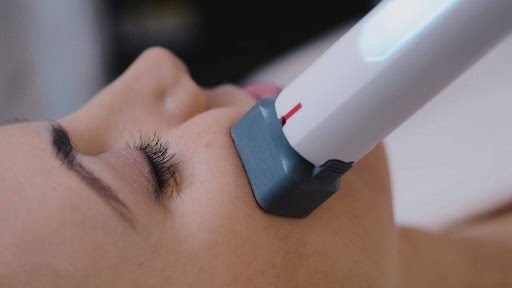
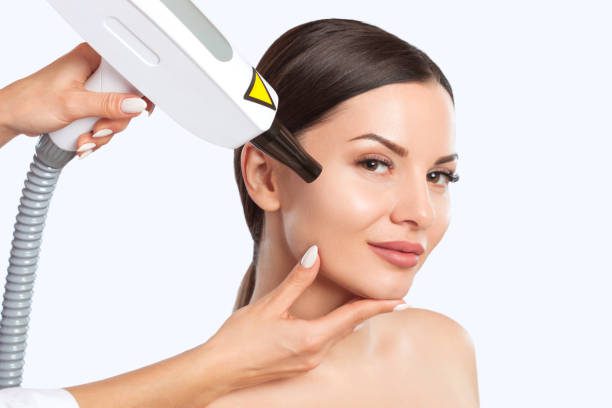
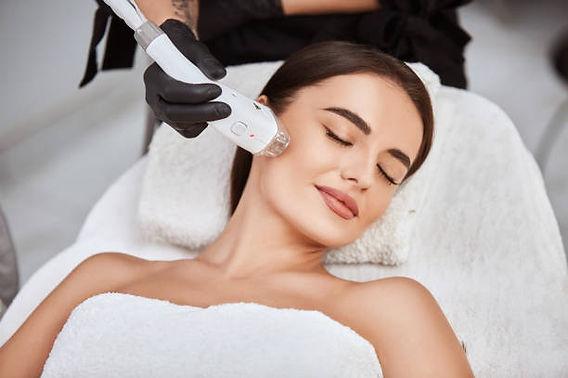
XERF is a noninvasive radiofrequency treatment designed to tighten and firm skin by delivering controlled energy beneath the surface, where collagen and deeper supporting tissues are located. For patients looking for non surgical skin tightening in Phoenix, it offers an option with no needles, no numbing and no expected downtime.
What Is XERF Skin Tightening?
XERF is a noninvasive radiofrequency skin tightening treatment that uses two RF frequencies to heat tissue at multiple depths. The controlled energy encourages collagen remodeling and creates a tightening effect without surgery, needles or resurfacing the skin. It’s commonly considered for facial and neck laxity, including a softening jawline and early jowling.
The simplest way to understand XERF is this: It isn’t primarily trying to change the surface of your skin. It’s designed to address the support underneath it.
That distinction matters because loose skin, fine lines, pigmentation and rough texture may all make someone feel that their face is “aging,” but they don’t necessarily need the same treatment.
How Does XERF Work?
XERF uses multifrequency monopolar radiofrequency energy.
That sounds technical, but what it means for you is much more straightforward.
The system combines two RF frequencies, 6.78 MHz and 2 MHz, allowing energy to reach shallow, middle and deeper tissue levels. Controlled heat is delivered beneath the skin while the surface is cooled for comfort.
That heating creates a controlled response within collagen-rich tissue.
There can be an initial tightening effect, but XERF is also designed to support continued collagen remodeling over time. In other words, the treatment doesn’t simply make the skin look temporarily tighter for a few hours after you leave the office.
The deeper goal is to encourage the skin’s underlying support structure to behave differently.
What Makes XERF Different From Traditional RF Skin Tightening?
Radiofrequency isn’t new in aesthetics. What’s different about XERF is how the energy is delivered and how deeply the treatment can be customized.
Traditional monopolar RF systems generally operate at a single frequency. XERF combines two frequencies and offers multiple depth and intensity settings.
The system can therefore target different tissue levels depending on the patient’s skin and treatment goals.
For patients, that translates into a few meaningful advantages:
- Treatment can be personalized instead of using one standard setting for everyone.
- Energy can reach shallow, middle and deeper tissue levels.
- The system continuously evaluates how the skin responds during treatment.
- Built-in cooling helps manage comfort at the surface.
- No needles or numbing are required.
- There’s no expected downtime.
That last point deserves some attention.
A treatment doesn’t have to be aggressive on the surface to affect deeper tissue. XERF is a good example of that.
What Does XERF Actually Help Improve?
XERF makes the most sense when the issue is loss of firmness or structural support.
Think less about spots and pores, and more about shape and laxity.
Patients may consider XERF for concerns such as:
- Loose or mildly sagging facial skin
- Early jowling
- A less-defined jawline
- Lower-face laxity
- Loose skin along the neck
- Loss of firmness with age
- Changes related to declining collagen
- Overall facial tightening without surgery
One common mistake is assuming every age-related concern requires the same type of treatment.
If your biggest complaint is brown spots, XERF probably isn’t the first conversation we need to have.
If your biggest complaint is that your jawline seems to be disappearing, now we’re talking about something different.
XERF for the Face, Jawline and Neck
These are some of the areas where structural tightening tends to matter most.
Face
As collagen changes with age, the face can gradually lose some of its firmness and support.
You may not have one dramatic area of sagging. Instead, everything simply looks a little softer.
XERF can be used to address this broader loss of firmness without adding volume or resurfacing the skin.
Jawline and Jowls
For many patients, the jawline is where aging first becomes frustrating.
You look at an old photo and realize the transition from your cheek to your jaw used to be sharper. Or you notice early jowling that wasn’t there a few years ago.
Because XERF delivers RF energy into deeper supporting tissues, it can be especially relevant when the goal is firmer-looking contours rather than additional facial volume.
Neck
The neck can be notoriously difficult to improve with skincare alone.
Creams can support hydration and skin quality, but they can’t meaningfully reposition loose tissue.
XERF may be used to improve the appearance of laxity and firmness along the neck without surgery.
For patients looking specifically for non surgical neck tightening in Phoenix, this is often one of the most appealing aspects of the treatment.
What Does a XERF Treatment Feel Like?
This is usually one of the first questions people ask once they understand what the treatment does.
The short version is: warmth, without needles.
XERF incorporates cooling technology that helps control the temperature at the skin’s surface while radiofrequency energy is delivered underneath.
Patients commonly describe the treatment as a series of warming sensations.
One notable difference from several other energy-based treatments is that XERF doesn’t require numbing.
That can make the overall appointment simpler. You don’t have to arrive early for topical anesthetic or wait for your face to regain sensation before getting on with your day.
Comfort is still subjective, of course. Treatment intensity and individual sensitivity vary, so your experience may not be identical to someone else’s.
Does XERF Hurt?
XERF was specifically designed with patient comfort in mind.
The system uses Integrated Cryogen Delivery cooling and Wave Fit pulse technology to help manage energy delivery while protecting comfort at the skin’s surface.
Most people should expect warmth rather than the sensation associated with needles or aggressive resurfacing.
If you’re particularly sensitive to heat, mention that during your consultation. Aesthetic treatment isn’t a contest to see who can tolerate the highest setting.
The right treatment is the one that delivers appropriate energy safely and comfortably for your skin.
Is There Downtime After XERF?
One of XERF’s biggest advantages is the lack of expected downtime.
There are:
- No incisions
- No needles
- No peeling period
- No numbing
- No required recovery window
Most patients can return to normal activities after treatment.
That makes XERF very different from procedures such as deeper fractional CO2 resurfacing, where recovery is intentionally part of the treatment process.
For someone with a full work schedule, travel, meetings or family responsibilities, that distinction can be just as important as the clinical result.
When Will I See XERF Results?
XERF isn’t an all-or-nothing treatment where nothing happens for months.
Some patients may notice tightening relatively quickly. The more interesting part, however, is what happens afterward.
Collagen remodeling continues over time.
That means the appearance of firmness may continue to improve as the tissue responds to treatment.
Manufacturer before-and-after examples include patients evaluated several weeks after treatment, as well as patients who received more than one session.
This is why we’d frame XERF as a progressive treatment rather than an instant facelift.
You may notice an early change, but you’re also giving your skin time to remodel.
How Long Do XERF Results Last?
There’s no responsible one-size-fits-all answer.
XERF can stimulate remodeling, but it doesn’t stop the aging process.
How long your improvement remains noticeable depends on factors such as:
- Your age
- Baseline skin laxity
- Genetics
- Sun exposure
- Smoking
- Weight changes
- Overall skin health
- The number and intensity of treatments performed
- Your body’s individual collagen response
Think of it less like permanently freezing your skin at a certain age and more like improving the condition of the tissue you’re starting with.
Maintenance treatments may make sense for some patients as aging continues.
A consultation is the right place to discuss what a realistic treatment and maintenance schedule would look like for your skin. Schedule now.
How Many XERF Treatments Will I Need?
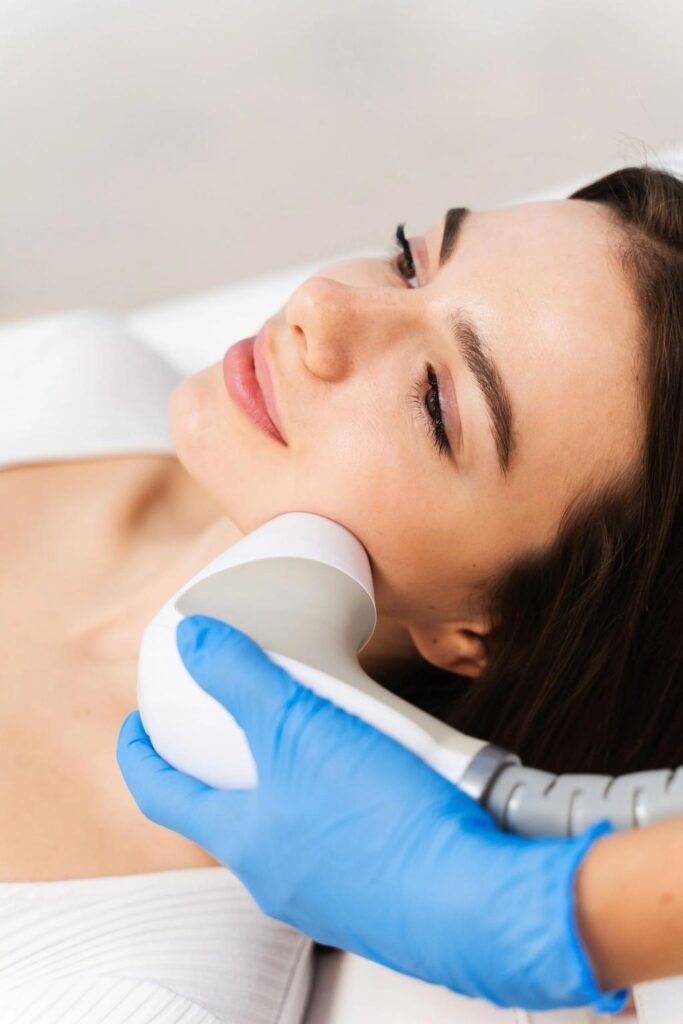
Some patients may see meaningful improvement after a single treatment, while others may benefit from a series.
There isn’t a responsible universal number because the treatment can be customized by depth and intensity, and everyone’s starting point is different.
Someone in their early 40s with mild jawline softening may have very different needs from someone with more established neck laxity.
At Reid MD Aesthetics, the question isn’t simply, “How many treatments does XERF require?”
It’s:
How much tightening does your skin realistically need, and what’s the best way to get there?
Is XERF the Best Skin Tightening Treatment in Phoenix?
You’ll see the phrase “best skin tightening treatment Phoenix” all over Google.
We’d be cautious with anyone who gives you a universal answer.
There is no single best treatment for every person because “loose skin” can describe several different problems.
Someone may have:
- Mild skin laxity
- Significant redundant skin
- Loss of facial volume
- Heavy jowling
- Poor skin texture
- Deep wrinkles
- A combination of several of these
XERF can be an excellent option when the primary problem is mild to moderate loss of firmness and you want a noninvasive approach.
It won’t replace every facelift.
It won’t replace filler when volume loss is the real problem.
And it won’t replace resurfacing when the surface of the skin is what needs the most attention.
That’s actually one of the reasons we like having multiple technologies available. You’re not forced to make every patient fit one device.
XERF vs. Laser Resurfacing
These treatments often get lumped together under the broad category of “skin rejuvenation,” but they solve different problems.
XERF primarily focuses on tightening deeper tissue.
Laser resurfacing focuses more heavily on renewing the skin’s surface and improving concerns such as wrinkles, pigmentation, scars and texture, depending on the laser.
A simple way to think about it:
| Concern | Treatment Direction |
| Loose skin | XERF |
| Softening jawline | XERF |
| Early jowls | XERF |
| Acne scars | Resurfacing or microneedling may be more relevant |
| Significant texture | Laser resurfacing |
| Pigmentation or sun damage | Pigment-focused laser treatment |
| Loose skin + damaged texture | Combination treatment may make sense |
Sometimes the answer isn’t choosing one.
It’s addressing different concerns at different depths.
Can XERF Be Combined With Other Treatments?
Yes, and this is where treatment planning gets much more interesting.
A patient may have loose skin and pigmentation.
Or laxity and acne scarring.
Or a softening jawline and deeper wrinkles.
One device doesn’t necessarily need to solve everything.
At Reid MD Aesthetics, XERF may be incorporated into a broader plan alongside treatments such as LaseMD Ultra, eCO2 3D resurfacing, microneedling or injectables when appropriate.
For example:
XERF + LaseMD Ultra
XERF can focus on deeper tightening while LaseMD Ultra addresses pigmentation, sun damage and overall skin quality.
XERF + eCO2 3D
XERF may address structural laxity while fractional CO2 resurfacing tackles deeper wrinkles, scars and significant texture.
XERF + Injectables
If aging involves both laxity and volume loss, an energy-based tightening treatment and carefully placed injectable treatment may address two different aspects of the problem.
The important word here is carefully.
More treatments aren’t automatically better. Timing and sequencing matter.
XERF vs. Surgical Skin Tightening
XERF and surgery shouldn’t really be viewed as direct substitutes.
They occupy different points on the treatment spectrum.
XERF
XERF may appeal to patients who want:
- Noninvasive treatment
- No incisions
- No anesthesia
- No needles
- No meaningful interruption to daily life
- Gradual, natural-looking tightening
- Improvement in mild to moderate laxity
Surgical Tightening
Surgery can physically remove and reposition tissue, producing a level of correction that noninvasive devices cannot replicate.
That makes surgery more appropriate for some patients with significant skin redundancy or advanced laxity.
But surgery also involves anesthesia, incisions, recovery, surgical risk and substantially more commitment.
If a provider tells someone with major loose skin that a noninvasive device will produce a surgical facelift result, expectations are probably headed in the wrong direction.
For the right patient, the appeal of XERF isn’t that it’s “a facelift without surgery.”
It’s that you may not need a facelift to get the level of improvement you actually want.
Who Is a Good Candidate for XERF?
XERF may be worth considering if you:
- Have mild to moderate facial or neck laxity
- Are noticing early jowling
- Want better jawline definition
- Feel that your skin has lost firmness
- Prefer a noninvasive treatment
- Don’t want needles
- Can’t accommodate significant downtime
- Want natural-looking improvement rather than a drastic change
- Understand that collagen remodeling happens gradually
It may be less appropriate if your primary concern is severe skin redundancy that would be better addressed surgically.
Medical history matters too. Your provider should review your health, prior procedures, implants and other relevant factors before recommending an energy-based treatment.
Does XERF Work on All Skin Types?
XERF is designed for use across skin types.
This is an important distinction from certain light-based and laser procedures where skin tone can substantially affect treatment parameters and candidacy.
Because XERF uses radiofrequency rather than targeting pigment with light, melanin isn’t the treatment target.
That doesn’t eliminate the need for an individualized consultation. Skin type is only one factor in deciding whether a treatment is appropriate.
XERF Skin Tightening in Phoenix: Why Our Climate Matters
Phoenix is a great place to live if you like sunshine.
Your skin may have a slightly different opinion.
Years of strong UV exposure can contribute to collagen breakdown, pigmentation changes and visible skin aging. Even people who are diligent with sunscreen today may be dealing with changes that started years ago.
This creates an interesting situation.
Sometimes the concern isn’t just laxity.
A patient may have loose skin around the jawline plus sun damage and pigmentation across the cheeks. In that case, XERF may address one part of the picture while another technology handles the sun-related changes.
That’s especially relevant in areas like Ahwatukee, where an active outdoor lifestyle is pretty normal. Hiking South Mountain, golfing, swimming and simply spending time outside can add up over years.
Consistent sun protection still matters after treatment. XERF may stimulate collagen remodeling, but it doesn’t make your skin immune to future UV damage.
What Should You Look for in a XERF Provider?
The machine matters.
The person deciding how to use it on your face matters more.
When evaluating XERF skin tightening services, we’d look beyond promotional pricing and ask a few questions:
- Who evaluates my skin before treatment?
- How do you decide which depth and intensity settings to use?
- Is XERF actually the best treatment for my concern?
- What other options would you recommend if it isn’t?
- What level of improvement is realistic for my degree of laxity?
- Could another treatment complement XERF if I have multiple concerns?
That last one can be especially revealing.
If every problem gets the same treatment recommendation, you’re not really getting a personalized plan.
What Should I Expect at a XERF Consultation?
A good consultation shouldn’t begin with a sales pitch.
It should begin with your face.
At Reid MD Aesthetics, the first step is understanding what you actually want to improve.
Maybe you say:
“I hate these wrinkles.”
But after looking more closely, the thing changing the appearance of your lower face may actually be laxity.
Or perhaps you arrive asking for skin tightening, but pigmentation and texture are contributing more to the aged appearance than you realized.
That’s why we don’t expect patients to diagnose themselves.
During a consultation, we can evaluate your skin, discuss your goals, review medical considerations and determine where XERF fits, if it fits at all.
Frequently Asked Questions About XERF
Is XERF a laser?
No. XERF uses radiofrequency energy, not laser light. It combines two RF frequencies to deliver controlled energy into different tissue depths.
Is XERF the same as RF microneedling?
No. XERF is noninvasive and doesn’t use needles.
RF microneedling uses needles to penetrate the skin and then delivers radiofrequency energy through those needles. The technologies and treatment experiences are different.
Does XERF melt facial fat?
XERF is marketed and used as a structural skin tightening treatment. It isn’t a facial fat-removal procedure. Your provider should select treatment parameters based on your anatomy and goals.
Can XERF tighten jowls?
XERF may improve the appearance of facial and neck sagging and can be relevant for early jowling or loss of jawline definition. The amount of improvement depends on the degree of laxity and individual response.
Can XERF tighten the neck?
Yes, neck laxity is one of the concerns for which XERF may be considered.
Does XERF require numbing?
No. One of the distinguishing features of XERF is that treatment can be performed without topical numbing.
Is there downtime after XERF?
XERF is designed as a no-downtime treatment. Most patients can return to their usual routine following an appointment.
How quickly does XERF work?
Some tightening may be visible relatively early, with continued improvement occurring as collagen remodels over time.
How many XERF sessions do I need?
The appropriate number varies based on skin laxity, goals, treatment settings and individual response. Some patients may benefit from one treatment, while others may be better suited to a series or maintenance plan.
Is XERF better than a facelift?
They’re not equivalent treatments. Surgery can remove and reposition significantly loose tissue and generally produces more dramatic correction. XERF is intended for patients seeking a noninvasive tightening approach without surgical recovery.
Is XERF Right for You?
Here’s the easiest way to decide whether it’s worth having the conversation.
Stand in front of the mirror and forget the names of treatments for a moment.
What are you actually seeing?
If your answer is:
“My skin isn’t as firm anymore.”
“My jawline is starting to blur.”
“I’m noticing jowls.”
“My neck looks looser.”
Then XERF may be worth exploring.
If your answer is primarily brown spots, acne scars, deep etched wrinkles or significant surface texture, another treatment may deserve more attention.
And if you’re seeing several of these things at once, that’s normal too.
At Reid MD Aesthetics in Phoenix’s Ahwatukee area, our goal isn’t to make your concerns fit a particular machine. It’s to determine what is actually changing in your skin, then build a treatment strategy around that.
For the right patient, XERF skin tightening offers a compelling middle ground between doing nothing and pursuing surgery: deeper structural tightening, natural-looking improvement, and no expected downtime.