Maybe you've started noticing more hair in the shower drain. Your ponytail doesn't feel as thick as it used to, or your scalp is becoming more visible when you look in the mirror. At first, it's easy to brush it off. Maybe it's stress, the weather, or just getting older. But when the shedding continues, …
Maybe you’ve started noticing more hair in the shower drain. Your ponytail doesn’t feel as thick as it used to, or your scalp is becoming more visible when you look in the mirror.
At first, it’s easy to brush it off. Maybe it’s stress, the weather, or just getting older.
But when the shedding continues, it’s natural to wonder what’s happening and whether there’s anything you can do about it.
Hair loss affects both men and women, and it can happen for many reasons. Genetics, hormonal changes, stress, nutritional deficiencies, and certain medical conditions can all play a role. Sometimes, several factors are involved at once.
If you’re exploring hair loss treatments in Ahwatukee, the encouraging news is that not all hair loss is permanent, and there are treatments that may help support healthier hair growth.
At Reid MD Aesthetics in Ahwatukee, we offer personalized, non-surgical hair restoration services for patients in Phoenix and surrounding communities. Our approach begins with understanding what’s causing your hair to thin, rather than jumping straight into treatment.
What Causes Hair Loss, and Can It Be Treated?
Hair loss can result from genetics, hormonal changes, stress, illness, nutritional deficiencies, medications, or scalp conditions. The most effective treatment depends on identifying the underlying cause. Some types of shedding resolve naturally, while progressive thinning may benefit from medical treatment or non-surgical hair restoration therapies that support existing follicles and scalp health.
The earlier you identify the cause, the better your chances of choosing an appropriate treatment before significant thinning occurs.
Normal Hair Shedding vs. Hair Thinning: What’s the Difference?
Losing hair every day is completely normal.
Most people shed approximately 50 to 100 hairs daily as part of the natural hair growth cycle. These hairs are eventually replaced as follicles begin producing new strands.
However, there’s a difference between normal shedding and progressive hair loss.
Understanding the Hair Growth Cycle
Each hair follicle moves through several stages:
- Anagen (Growth Phase): Hair actively grows, often for several years.
- Catagen (Transition Phase): Growth slows, and the follicle begins transitioning toward rest.
- Telogen (Resting Phase): The follicle rests while the existing hair remains in place.
- Exogen (Shedding Phase): Older hairs release, making room for new growth.
These stages occur independently across different follicles, which is why you don’t normally lose all your hair at once.
Problems arise when the growth cycle becomes disrupted or when follicles gradually produce thinner, shorter hairs.
Signs You May Be Experiencing More Than Normal Shedding
Pay attention to changes such as:
- A widening part or more visible scalp.
- A receding hairline.
- Thinning around the temples or crown.
- A noticeably thinner ponytail.
- Excessive shedding that continues for several weeks.
- Patchy areas of missing hair.
- Hair that appears finer or less dense than it used to.
One helpful distinction is that shedding refers to hairs falling out, while thinning refers to a reduction in overall hair density or strand thickness.
You can experience one without the other, or both simultaneously.
If you’re noticing a consistent change, it’s worth investigating rather than waiting until the thinning becomes more pronounced.
The Most Common Causes of Hair Loss in Men and Women
Hair loss isn’t a single condition. It’s a symptom that can develop from several different biological processes.
Understanding the cause is essential because treatments that help one type of hair loss may do very little for another.
1. Genetics and Pattern Hair Loss
Androgenetic alopecia, commonly called male or female pattern hair loss, is one of the most frequent causes of progressive thinning.
It occurs when genetically susceptible hair follicles gradually shrink, a process known as follicular miniaturization.
As follicles become smaller, they produce progressively thinner and shorter hairs.
In men, pattern hair loss often begins with a receding hairline or thinning at the crown.
In women, it more commonly appears as diffuse thinning across the top of the scalp or a widening part.
Unlike temporary shedding, genetic hair loss generally progresses without effective intervention.
Early treatment can make a meaningful difference because follicles that are still producing hair may respond better than those that have been inactive for years.
2. Hormonal Changes
Hormones influence nearly every stage of the hair growth cycle.
Changes in thyroid function, estrogen, and androgen activity can affect hair density and shedding.
Women may notice changes during:
- Pregnancy and postpartum recovery.
- Perimenopause.
- Menopause.
- Periods of significant hormonal fluctuation.
- Certain endocrine conditions, including polycystic ovary syndrome (PCOS).
Men may experience progressive thinning related to inherited sensitivity to dihydrotestosterone (DHT), a hormone involved in follicular miniaturization.
Hormonal hair loss doesn’t always mean hormone levels are abnormal. In many cases, the follicles themselves are simply more sensitive to normal hormonal activity.
That’s one reason proper evaluation matters.
3. Stress, Illness, and Telogen Effluvium
Have you ever experienced unusually heavy shedding a few months after a stressful period?
There’s a medical explanation for that.
Telogen effluvium occurs when a physical or emotional stressor pushes an increased number of follicles into the resting phase.
The resulting shedding often becomes noticeable approximately two to three months later.
Common triggers include:
- Major illness or high fever.
- Surgery.
- Significant emotional stress.
- Rapid weight loss.
- Restrictive dieting.
- Childbirth.
- Certain medications.
For example, someone may recover from an illness and feel completely normal, only to notice substantial hair shedding several months afterward.
That delay can make it difficult to connect the two events.
Fortunately, acute telogen effluvium often improves once the triggering factor has resolved.
However, regrowth takes time, and persistent shedding deserves medical evaluation.
4. Nutritional Deficiencies
Healthy hair growth depends on adequate nutrition.
When the body lacks certain nutrients, hair production may become less of a priority than other essential biological functions.
Potential contributors include deficiencies in:
- Iron.
- Protein.
- Zinc.
- Vitamin B12.
- Vitamin D, in certain circumstances.
Iron deficiency is particularly worth investigating in people experiencing unexplained shedding.
Low ferritin, a measure of stored iron, may be associated with hair loss even when someone doesn’t have obvious symptoms of anemia.
However, taking supplements without testing isn’t necessarily helpful.
Excessive amounts of certain nutrients, including vitamin A and selenium, can actually contribute to hair loss.
A targeted evaluation is generally more useful than purchasing multiple hair-growth supplements and hoping one works.
5. Traction Alopecia From Tight Hairstyles
Tight ponytails, braids, buns, extensions, and other hairstyles that repeatedly pull on the scalp can contribute to traction alopecia.
The constant tension places stress on hair follicles, particularly around the hairline and temples.
Early traction alopecia may improve when the tension is removed.
However, prolonged pulling can cause permanent follicular damage and scarring.
If you regularly wear tight hairstyles and notice thinning along the edges of your hairline, changing your styling habits sooner rather than later can help protect your remaining hair.
6. Autoimmune and Scalp Conditions
Some forms of hair loss require medical treatment beyond cosmetic restoration.
Alopecia areata is an autoimmune condition that can cause sudden, round patches of hair loss.
Other conditions, including scalp psoriasis, fungal infections, and certain inflammatory disorders, may contribute to shedding or interfere with healthy hair growth.
Scarring alopecias are especially important to recognize because inflammation can permanently damage follicles.
Warning signs include:
- Sudden patchy hair loss.
- Scalp pain or burning.
- Persistent redness.
- Significant itching or scaling.
- Pustules or crusting.
- Areas where the scalp appears unusually smooth or shiny.
These symptoms should be evaluated by a qualified medical professional, often a dermatologist, before beginning cosmetic hair restoration treatments.
Can Phoenix’s Climate Make Hair Loss Worse?
Arizona’s climate creates some unique challenges for maintaining healthy hair and scalp conditions.
While the desert environment doesn’t directly cause genetic pattern baldness, heat, sunlight, low humidity, and water quality can affect hair condition and make thinning more noticeable.
Intense Sun Exposure
Phoenix receives abundant sunshine throughout the year.
UV radiation can damage the hair shaft, particularly in hair that’s already dry, chemically treated, or fragile.
Prolonged sun exposure can also irritate an unprotected scalp.
For people experiencing thinning, more exposed scalp means greater vulnerability to sunburn and cumulative UV damage.
Wearing a breathable hat or using an appropriate scalp sunscreen can help protect exposed areas.
Dry Desert Air
Low humidity can leave hair feeling brittle, rough, and more prone to breakage.
This is especially noticeable during Phoenix’s hottest months, when outdoor heat and indoor air conditioning can both contribute to dryness.
Breakage isn’t the same as hair loss from the follicle, but it can make existing thinning appear worse.
Gentle shampoos, appropriate conditioning, and minimizing excessive heat styling can help protect fragile strands.
Hard Water and Mineral Buildup
Many Phoenix-area homes have hard water containing elevated levels of calcium and magnesium.
Mineral deposits can affect how hair feels and responds to cleansing products, sometimes contributing to dullness, tangling, and increased breakage.
However, there’s limited evidence that hard water directly causes permanent follicular hair loss.
If your hair feels coated or unusually dry, an occasional clarifying shampoo or an appropriate water-treatment solution may help improve its condition.
Outdoor Activities and Scalp Care
Hiking South Mountain, cycling, golfing, and other outdoor activities are part of life for many Ahwatukee residents.
Sweat, heat, and sun exposure can sometimes aggravate existing scalp irritation.
The goal isn’t to avoid outdoor activity. It’s to maintain a comfortable, healthy scalp while protecting your hair from unnecessary damage.
At Reid MD Aesthetics, we consider lifestyle factors alongside medical history and the pattern of hair loss when discussing potential treatment options.
When Should You See a Professional About Hair Loss?
It’s tempting to wait and see if thinning improves on its own.
Sometimes it does, especially after temporary stress-related shedding.
But certain types of hair loss become harder to address as time passes.
Consider scheduling an evaluation if:
- Shedding continues beyond several months.
- Your part is noticeably widening.
- You’re developing a receding hairline.
- Your hair feels significantly less dense.
- You notice sudden or patchy hair loss.
- Your scalp is painful, inflamed, or persistently itchy.
- Hair loss begins after starting a new medication.
- You’re experiencing other symptoms such as fatigue or unexplained weight changes.
A proper assessment can help distinguish temporary shedding from progressive follicular miniaturization or an underlying medical condition.
How Is the Cause of Hair Loss Diagnosed?
A thorough evaluation should begin with questions, not a treatment recommendation.
The timing, location, and pattern of hair loss can provide valuable clues.
Reviewing Your Medical History
Your provider may ask about:
- When you first noticed thinning.
- Whether the change was gradual or sudden.
- Family history of hair loss.
- Recent illnesses or surgeries.
- Medications and supplements.
- Hormonal changes.
- Diet and recent weight fluctuations.
- Stress and sleep patterns.
- Haircare routines and styling habits.
For example, gradual thinning at the crown over several years suggests a different process than sudden, widespread shedding after a major illness.
Those distinctions help guide the next steps.
Examining the Scalp and Hair
A scalp examination can help identify:
- Patterns of reduced hair density.
- Differences in hair shaft thickness.
- Visible inflammation or scaling.
- Hair breakage.
- Signs of scarring.
- Areas of active follicular miniaturization.
In some cases, a dermatologist may use dermoscopy or other diagnostic techniques for a closer examination.
Are Blood Tests Necessary?
Not everyone with hair loss needs extensive laboratory testing.
However, when symptoms or medical history suggest an underlying problem, a provider may recommend tests such as:
- Complete blood count (CBC).
- Ferritin and iron studies.
- Thyroid function testing.
- Vitamin or nutritional assessments when indicated.
- Hormonal testing for selected patients.
The goal is to identify correctable contributors rather than ordering every available test.
If a medical condition is responsible for the shedding, addressing that condition should take priority over cosmetic treatments.
Non-Surgical Hair Loss Treatments in Phoenix: What Are Your Options?
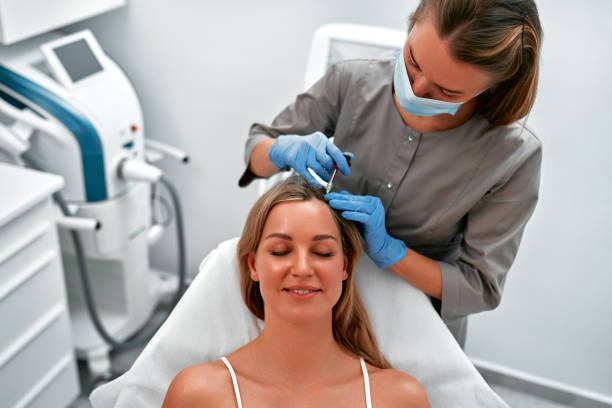
Not everyone experiencing hair loss wants surgery, injections, or a complicated daily routine.
Fortunately, several non-surgical approaches may be considered depending on the cause and severity of thinning.
These treatments work in different ways, and the evidence supporting them varies.
KeraLase Hair Restoration
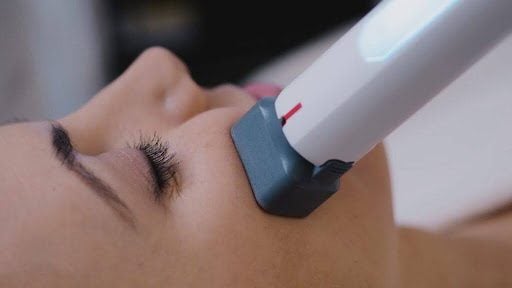
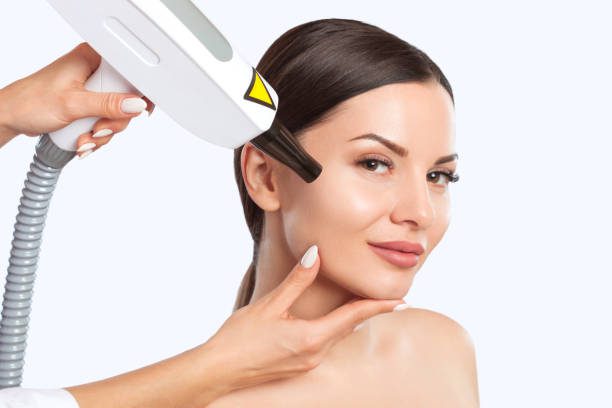
KeraLase is a non-surgical scalp treatment that combines fractional laser technology with topical scalp products.
The treatment uses a laser, commonly the LaseMD Ultra platform, to create microscopic treatment zones within the scalp.
These temporary microchannels may enhance the delivery of selected topical ingredients.
The goal is to support the scalp environment and existing hair follicles.
KeraLase is generally considered for patients seeking a needle-free approach to early or moderate thinning.
However, it’s important to understand that clinical evidence for KeraLase hair regrowth is more limited than the evidence for established medical treatments such as minoxidil and finasteride.
Results vary, and meaningful regrowth cannot be guaranteed.
INVO Advanced Hair Solutions
INVO Advanced Hair Solutions offers topical scalp care formulated with ingredients such as biomimetic peptides, caffeine, and botanical compounds.
Its BioBlend Technology™ is designed to support topical delivery and scalp conditioning.
These ingredients are marketed to help nourish the scalp and support healthier-looking hair.
While some individual ingredients have preliminary research suggesting potential benefits, evidence that the complete INVO formulation produces clinically significant hair regrowth remains limited.
It should be viewed as a supportive option rather than a proven replacement for medical treatment of androgenetic alopecia.
Combining KeraLase and INVO
At Reid MD Aesthetics, KeraLase and INVO may be considered together as part of a personalized scalp-care and hair restoration plan.
The approach combines fractional laser treatment with topical application.
Potential advantages include:
- Needle-free treatment.
- Short appointments.
- Minimal interruption to daily activities.
- A focus on scalp health and existing follicles.
- The ability to incorporate treatment into a broader haircare plan.
The laser-created microchannels may improve topical penetration, but enhanced absorption doesn’t automatically mean greater hair regrowth.
There is not yet strong clinical evidence establishing the effectiveness of this specific combination for all types of hair loss.
Patients with progressive pattern hair loss should also discuss established medical therapies, since delaying effective treatment may allow further follicular miniaturization.
KeraLase vs. PRP vs. Traditional Hair Loss Treatments
If you’ve been researching hair restoration services in Phoenix, you’ve probably encountered several different options.
Here’s how some of the more common approaches compare.
| Treatment | How it works | Main considerations |
| KeraLase | Fractional laser treatment combined with topical scalp products | Needle-free; limited clinical evidence for regrowth |
| INVO topical care | Peptides, caffeine, and other scalp-conditioning ingredients | Supportive scalp care; product-specific regrowth evidence is limited |
| PRP therapy | Uses concentrated components of the patient’s blood, injected into the scalp | Some supportive studies, but protocols and results vary |
| Topical minoxidil | Helps prolong the hair growth phase and support follicular activity | Established treatment for pattern hair loss; requires ongoing use |
| Oral finasteride | Reduces DHT activity associated with follicular miniaturization | Established prescription option for appropriate patients; potential side effects |
| Low-level light therapy | Uses specific wavelengths of light to stimulate follicular activity | Some evidence of benefit for pattern hair loss; repeated use required |
| Hair transplantation | Relocates follicles from donor areas | Surgical option for selected patients with established hair loss |
Is KeraLase Better Than PRP?
There isn’t enough high-quality head-to-head evidence to conclude that KeraLase is more effective than platelet-rich plasma (PRP) for hair regrowth.
The procedures are different.
KeraLase uses laser technology and topical products without blood draws or scalp injections.
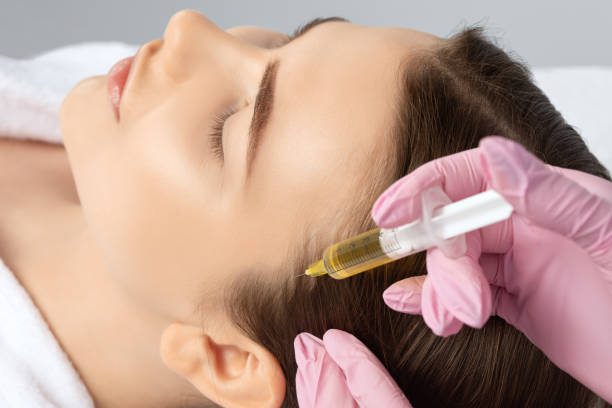
PRP involves drawing blood, processing it, and injecting the resulting platelet-rich preparation into targeted areas of the scalp.
Some patients prefer KeraLase because it avoids needles. Others may consider PRP based on their provider’s recommendations and the available evidence.
Comfort, cost, treatment frequency, medical suitability, and realistic expectations should all factor into the decision.
Who May Benefit From KeraLase Hair Restoration?
KeraLase may be worth discussing for men and women experiencing early thinning who prefer a non-surgical approach.
Potential candidates include people who:
- Have mild or moderate thinning with active follicles.
- Want to explore supportive scalp treatments.
- Prefer to avoid injections.
- Can commit to a series of appointments.
- Understand that results are variable and not guaranteed.
Patients with stress-related shedding or postpartum hair loss may also be interested in supportive scalp care.
However, these conditions often improve naturally once the underlying trigger resolves. There isn’t sufficient evidence to conclude that KeraLase reliably accelerates recovery.
When KeraLase May Not Be Appropriate
Laser-assisted topical treatments are unlikely to restore hair in areas where follicles have been permanently destroyed.
They also aren’t a substitute for medical care when hair loss results from:
- Active alopecia areata.
- Scarring alopecia.
- Untreated scalp infections.
- Significant nutritional deficiencies.
- Uncontrolled thyroid disease.
- Other active inflammatory conditions.
Patients with sudden, patchy, painful, or rapidly progressive hair loss should receive an appropriate medical evaluation before pursuing cosmetic scalp treatments.
What to Expect During a KeraLase Treatment
One reason patients consider KeraLase is its relatively straightforward treatment process.
Although the exact protocol depends on the provider and products used, a typical appointment may include the following steps.
Step 1: Scalp Assessment
Your provider reviews your concerns, examines the scalp, and discusses whether laser-assisted topical treatment is appropriate.
This is also an opportunity to establish realistic goals.
Step 2: Fractional Laser Treatment
The laser is passed over the selected areas of the scalp to create controlled microscopic treatment zones.
Patients may experience warmth or mild tingling during the procedure.
Treatment intensity is adjusted according to the protocol and individual tolerance.
Step 3: Topical Product Application
A topical scalp formulation is applied according to the treatment protocol.
The temporary microchannels created by the laser may increase penetration of certain ingredients.
The specific products used should be confirmed with your provider, since KeraLase protocols and topical formulations can vary.
Step 4: Aftercare and Follow-Up
Appointments are often relatively brief, sometimes around 20 to 30 minutes.
Most patients can return to routine activities the same day, although temporary scalp redness or sensitivity may occur.
Your provider may recommend delaying hair washing or avoiding certain products for a period after treatment.
Follow the instructions given for your particular procedure rather than assuming every laser scalp treatment has identical aftercare.
How Many KeraLase Sessions Will You Need?
KeraLase is commonly offered as a series rather than a single treatment.
Some practices use protocols involving approximately six sessions spaced several weeks apart, although schedules vary.
Because hair grows slowly, any meaningful changes in density would generally need to be evaluated over several months.
Patients should be cautious about promises of rapid or dramatic regrowth.
A reasonable treatment plan should establish what is being measured, such as scalp photographs, hair density, or changes in shedding, and when progress will be reassessed.
If a treatment isn’t producing a meaningful benefit, the plan should be reconsidered.
How Long Does Hair Regrowth Take?
Hair growth is a slow biological process.
Even when the underlying cause of hair loss has been corrected, visible improvement usually takes time.
For temporary shedding conditions such as telogen effluvium, shedding may gradually improve over several months once the trigger resolves.
Regaining previous hair density can take six to twelve months or longer.
For androgenetic alopecia, established medical treatments often require three to six months before noticeable improvement, with fuller assessment around six to twelve months.
Results from cosmetic laser-assisted scalp treatments are less predictable.
It’s helpful to distinguish between three outcomes:
- Reduced shedding: Fewer hairs are falling out.
- Improved hair quality: Existing hair looks or feels healthier.
- Increased hair density: More or thicker hairs are visibly present.
These aren’t interchangeable.
A product may improve the feel of existing hair without increasing follicular density. Similarly, shedding may slow without reversing long-standing pattern baldness.
Knowing what improvement you’re looking for helps you evaluate whether a treatment is actually working.
Can You Prevent Hair Loss From Getting Worse?
Not every type of hair loss is preventable, particularly when genetics are involved.
However, several habits can help protect existing hair and reduce avoidable damage.
1. Avoid Excessive Tension and Heat
Limit tight hairstyles that pull on the hairline.
Use heat styling tools carefully, especially if your hair is already fragile.
2. Maintain Adequate Nutrition
Include sufficient protein and a balanced variety of nutrients in your diet.
If you’re experiencing unexplained shedding, discuss whether testing for iron deficiency or other nutritional issues makes sense.
3. Address Scalp Inflammation
Persistent itching, scaling, or irritation shouldn’t be ignored.
Treating inflammatory scalp conditions can improve comfort and may help prevent additional damage.
4. Protect Your Hair From Arizona’s Sun
Wear a hat during extended outdoor activities.
If your scalp is exposed, use appropriate sun protection.
5. Be Careful With Hair Growth Supplements
Biotin and other popular hair supplements aren’t proven to improve growth in people who don’t have a relevant deficiency.
Some supplements can interfere with laboratory testing or cause problems when taken in excessive amounts.
6. Seek Evaluation Early
This may be the most useful recommendation of all.
Progressive pattern hair loss is generally easier to manage when follicles are still active.
Waiting until substantial thinning has occurred can limit treatment options.
Hair Loss After Weight Loss: Why It Happens
One commonly overlooked cause of increased shedding is rapid weight loss.
When the body experiences a significant change in calorie intake or nutritional status, more follicles may enter the resting phase.
This can trigger telogen effluvium several months later.
The issue may occur after:
- Rapid weight loss.
- Restrictive dieting.
- Bariatric surgery.
- Significant illness.
- Weight loss associated with medications such as GLP-1 therapies.
Hair shedding during weight loss isn’t necessarily caused directly by a medication. Reduced calorie intake, rapid changes in body weight, and nutritional deficiencies may contribute.
Maintaining adequate protein and essential nutrients is particularly important during weight management.
At Reid MD Aesthetics, patients exploring both medical weight loss and hair restoration can discuss how these concerns may overlap.
The priority should be identifying the cause and protecting overall health rather than simply adding another cosmetic treatment.
Why Personalized Hair Restoration Matters
It’s understandable to want a quick solution when you notice your hair thinning.
But hair loss isn’t always a problem that can be solved with a serum, supplement, or single procedure.
A person experiencing temporary shedding after surgery has different needs from someone with hereditary pattern baldness.
A woman noticing thinning during menopause may have several overlapping contributors.
And someone with an inflamed or scarred scalp may need medical treatment before cosmetic hair restoration is considered.
That’s why personalized evaluation matters.
At Reid MD Aesthetics, our physician-led approach focuses on understanding your concerns, discussing realistic expectations, and helping you explore appropriate options.
We offer non-surgical hair restoration services in a private, boutique medical aesthetics studio in Ahwatukee, serving patients throughout Phoenix and surrounding communities.
When symptoms suggest an underlying medical or dermatologic condition, further evaluation or referral may be appropriate.
Our goal is to help you make informed decisions about your hair and scalp health.
Explore Hair Loss Treatments in Phoenix at Reid MD Aesthetics
Hair loss can affect more than your appearance. It can change how you style your hair, how you feel in photographs, and even how confident you feel walking into a room.
You don’t have to guess what’s causing it.
Understanding the reason behind your thinning is the first step toward choosing a treatment that makes sense for you.
At Reid MD Aesthetics in Ahwatukee, we offer personalized consultations and non-surgical hair restoration options, including laser-assisted scalp treatments and advanced topical care.
We’ll help you explore your options, understand their limitations, and determine whether they’re appropriate for your goals.
Ready to take the first step toward healthier-looking hair?
Schedule your consultation at Reid MD Aesthetics and learn more about our hair loss treatments in Phoenix.
Frequently Asked Questions About Hair Loss and Hair Restoration
Is it normal to lose 50 to 100 hairs a day?
Yes. Losing approximately 50 to 100 hairs daily is generally considered normal. Hair naturally cycles through growth, rest, and shedding. However, noticeable changes in hair density, a widening part, or prolonged excessive shedding may indicate an underlying issue.
Does postpartum hair loss grow back on its own?
In most cases, postpartum shedding improves naturally as hormone levels stabilize. Shedding commonly begins a few months after childbirth, with many women regaining much of their previous hair density within six to twelve months. Persistent or severe thinning should be evaluated.
Can low iron cause hair thinning without other symptoms?
Yes. Low iron stores may contribute to hair shedding even when someone doesn’t have obvious fatigue or anemia. Blood testing can help determine whether iron deficiency is present. Supplementation should be based on medical evaluation rather than guesswork.
Can tight ponytails cause permanent hair loss?
Yes. Repeated tension from tight hairstyles can cause traction alopecia. Early cases may improve when the tension is removed, but prolonged pulling can damage follicles permanently and lead to scarring.
Does KeraLase really work for hair loss?
KeraLase uses fractional laser technology and topical products to support scalp treatment. Some patients pursue it for early thinning, but high-quality clinical evidence demonstrating reliable hair regrowth remains limited. It should not be considered a proven replacement for established medical hair loss treatments.
How many KeraLase sessions are typically recommended?
Treatment protocols vary, but some providers recommend a series of approximately six sessions spaced several weeks apart. The appropriate schedule depends on the treatment plan, scalp condition, and individual goals.
Is KeraLase painful?
KeraLase is generally considered a relatively comfortable, needle-free treatment. Patients may experience warmth, tingling, or temporary scalp sensitivity during and after the fractional laser portion of the procedure.
Is there downtime after KeraLase?
Most patients can resume routine activities the same day. Temporary redness or sensitivity may occur. Your provider may recommend avoiding scalp washing, certain styling products, or intense sun exposure for a short period after treatment.
Is KeraLase better than PRP for hair restoration?
There isn’t enough strong comparative evidence to establish that KeraLase is more effective than PRP. KeraLase avoids blood draws and injections, while PRP has a different mechanism and a growing, although still variable, clinical evidence base. The appropriate choice depends on the underlying cause of hair loss and patient preferences.
Can Phoenix’s hard water cause hair loss?
Hard water can contribute to mineral buildup and may affect hair texture, manageability, and breakage. However, there’s limited evidence that it directly causes permanent hair loss from the follicle. Persistent thinning should be evaluated for medical or genetic causes.
Can stress cause permanent hair loss?
Stress can trigger telogen effluvium, a form of shedding that is often temporary. Hair frequently regrows after the triggering factor resolves. However, chronic shedding or stress occurring alongside another hair loss condition may require further evaluation.
Can GLP-1 weight loss medications cause hair loss?
Hair shedding has been reported during significant weight loss, including in some people taking GLP-1 medications. Rapid weight changes, reduced calorie intake, and nutritional deficiencies may contribute. A medical evaluation can help identify the cause and determine appropriate management.
Can hair grow back after years of thinning?
It depends on the cause and whether the follicles remain active. Some miniaturized follicles may respond to appropriate treatment, while follicles destroyed by scarring generally cannot regenerate. Long-standing bald areas are less likely to respond to supportive topical or laser-assisted treatments.
Do hair restoration treatments work for both men and women?
Some treatments can be considered for both men and women, but the underlying cause, medical history, and treatment options may differ. A proper evaluation helps determine which approaches are appropriate.
How long does it take to see hair restoration results?
Hair growth occurs gradually. Established medical therapies often require several months before visible changes appear. Results from supportive scalp treatments such as KeraLase are less predictable, and some patients may not experience meaningful regrowth.
Will hair restoration results last forever?
Not necessarily. Many forms of hair loss, especially androgenetic alopecia, are progressive. Effective management may require ongoing treatment. Maintenance needs depend on the underlying condition and the therapy used.
When should I see a dermatologist for hair loss?
Seek dermatologic evaluation if you experience sudden patchy loss, scalp pain, redness, scarring, significant inflammation, or rapidly progressive thinning. These symptoms can indicate conditions that require prompt medical treatment rather than cosmetic scalp care.